

The Chapel of Mary Magdalene
The Chapel of Mary Magdalene in the Bargello Museum and Dante's portrait
The chapel was built in 1280s and in origins it was the place where condmned waited before the execution. here, they had the opportunity to pray and redeem themselves, in fact the walls of the chapel represent the Heaven and the Hell. It is not a case if it is dedicated to Mary Magdalene. She was a sinner who in the last part of her life redeemed herself to follow Christ.
Frescoes were found in 1850s during the renovation of the building: in 1560 all the walls of the actual Bargello museum had been covered with plaster because Cosimo I turned the palace into a prison. A portrait of Dante was discovered during these years on the right side of the Heaven and it was attributed to Giotto; probably it was his last work (1334).
During the XIX century the importance of the Florentine poet, Dante, grew very much: the city of Florence celebrated its old origins and attributed them to the Italian language Dante developed through its dialect (called volgare). Remember also that in a few years the city is becoming the capital of Florence and the population increased in a whirling way! Even Dante's cenotaph in the church of S. Croce sculpted by Stefano Ricci in 1830 is related to the moment in which Florence wanted back the body of his poet buried in Ravenna; the sculpture of Dante positioned on the right side of the facade of the church of S. croce in 1865 had to celebrate 600 years from Dante's birth (1265) and the new capital of Italy!
In the same period Seymour Kirkup, the historian who financed works in the chapel of Mary Magdalene, was the owner of Dante's mask now preserved inside Palazzo Vecchio. The original funerary mask of the poet doesn't exist, the one you can admire today was created from Dante's tomb in Ravenna. Here the figure of the illustrious poet lays on a sarcophagus by Marco and Tullio Lombardo. Dante lives again in the XIX century!
Frescoes were found in 1850s during the renovation of the building: in 1560 all the walls of the actual Bargello museum had been covered with plaster because Cosimo I turned the palace into a prison. A portrait of Dante was discovered during these years on the right side of the Heaven and it was attributed to Giotto; probably it was his last work (1334).
During the XIX century the importance of the Florentine poet, Dante, grew very much: the city of Florence celebrated its old origins and attributed them to the Italian language Dante developed through its dialect (called volgare). Remember also that in a few years the city is becoming the capital of Florence and the population increased in a whirling way! Even Dante's cenotaph in the church of S. Croce sculpted by Stefano Ricci in 1830 is related to the moment in which Florence wanted back the body of his poet buried in Ravenna; the sculpture of Dante positioned on the right side of the facade of the church of S. croce in 1865 had to celebrate 600 years from Dante's birth (1265) and the new capital of Italy!
In the same period Seymour Kirkup, the historian who financed works in the chapel of Mary Magdalene, was the owner of Dante's mask now preserved inside Palazzo Vecchio. The original funerary mask of the poet doesn't exist, the one you can admire today was created from Dante's tomb in Ravenna. Here the figure of the illustrious poet lays on a sarcophagus by Marco and Tullio Lombardo. Dante lives again in the XIX century!
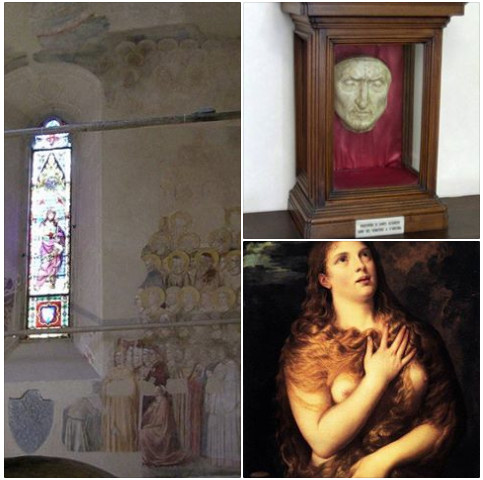
From the left: Dante is the man with the red dress in the Magdalene Chapel, the XIX century mask representing Dante's face; and Mary the Magdaleine painted by Titian (1533) in Pitti gallery.
Altri articoli
The traditional florentine football game
At the end of the match the Florentine population answers "Viva Fiorenza" to the exhortation of the captain of the district who says; "Shout with me, Florence hurrah!".
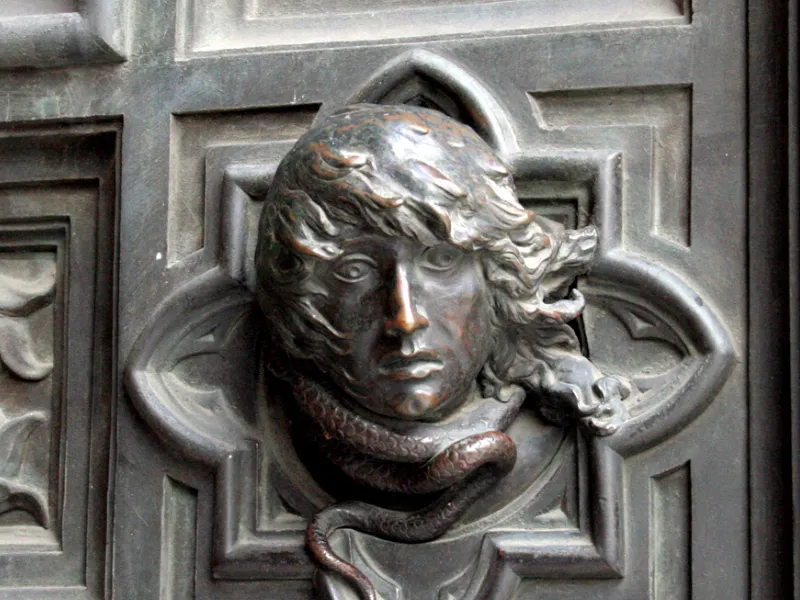
The particular self-portrait
It's a little bit strange because the Cathedral and the three doors too are entirely dedicated to the Virgin Mary.
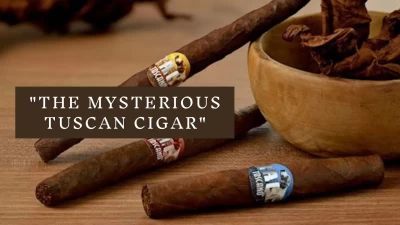
The Tuscan Cigar
The Tuscan cigar, born from a mishap in 1815, became an iconic product in Florence. Its affordable price and unique taste made it popular.
Mary and Mario
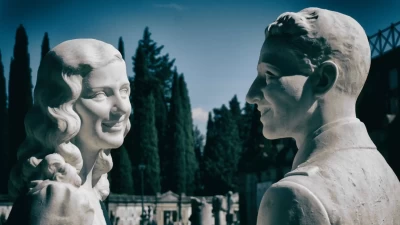
The Porte Sante Cemetery, a final rest for many, symbolizes love, loss, and the eternal beauty of Florence through its storied inhabitants.