

The History in a Glass of Wine
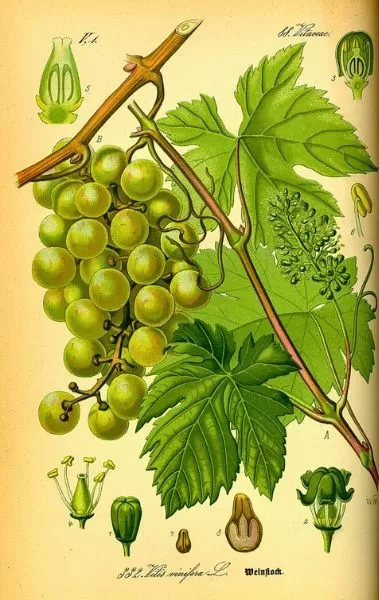 It is believed that Vitis vinifera sativa, the domesticated grapevine, descends from the ancient wild vine, with fossil traces dating back to before the appearance of humans, found in Tuscany near San Vivaldo. Viticulture—and with it, wine consumption—entered a period of decline following the fall of the Roman Empire, a situation that worsened during the Arab influence between 600 and 1000 AD. Due to the Quranic prohibition of alcohol, many vineyards were uprooted in areas under Arab control. However, in the Middle Ages, wine production received new impetus thanks to the Catholic Church, particularly the Benedictine and Cistercian monks. These monks founded winemaking schools and cultivation centers in their abbeys, where they developed refined production techniques necessary to produce the pure wine required for the Eucharistic celebration.
 Saint Benedict of Norcia, in his Benedictine Rule, stated: "Indeed, it is written that wine is by no means appropriate for monks; but since monks today cannot be convinced of this, we also permit it, but in such a way that one does not drink to satiety." Medieval monks carefully selected vineyards and controlled every phase of winemaking, using wooden barrels to age the wine, thus improving its quality.
Vineyards were primarily concentrated in hilly areas, where the draining soil and sun exposure were ideal for grape growth. In Tuscany, the hills of Chianti, Maremma, Mugello, and Valdarno were particularly renowned. The Montepulciano area, known for its Vino Nobile, and Montalcino, famous for Brunello, were already appreciated for the quality of their wines.
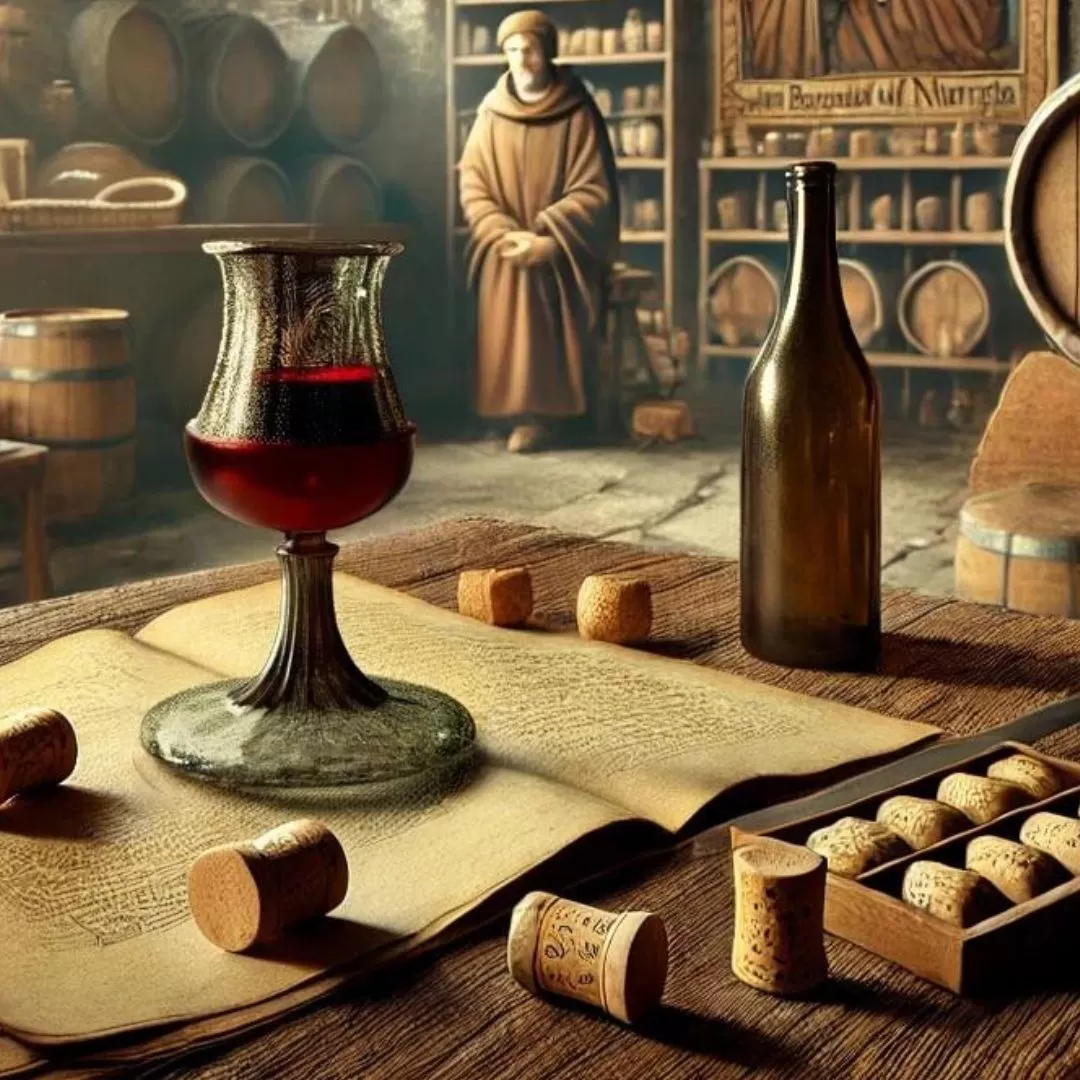 During the Middle Ages, viticulture saw important innovations: glass bottles were reintroduced, and cork stoppers, abandoned since Roman times, came back into use. Wine was considered a staple necessity and was widely consumed in daily life. According to the Neapolitan philosopher Giambattista Vico, this widespread consumption of wine was a sign of the barbarism of the time.
Among the most renowned Italian wines of the medieval period were: Ribolla, Terrano, and Malvasia from Istria, Vernaccia di San Gimignano, Montepulciano wine, Trebbiano, Malvasia, Sangioveto, Moscati, and Malvasia di Lipari.
Bibliography.
- Hugh Johnson. The Story of Wine, Simon & Schuster, 1989.
- Paul Lukacs, Inventing Wine: A New History of One of the World's Most Ancient Pleasures, (W. W. Norton & Company, 2013).
- Tim Unwin, Wine and the Vine: An Historical Geography of Viticulture and the Wine Trade, Routledge, 1991.
- Rod Phillips, A Short History of Wine, Harper Perennial, 2000.
Altri articoli
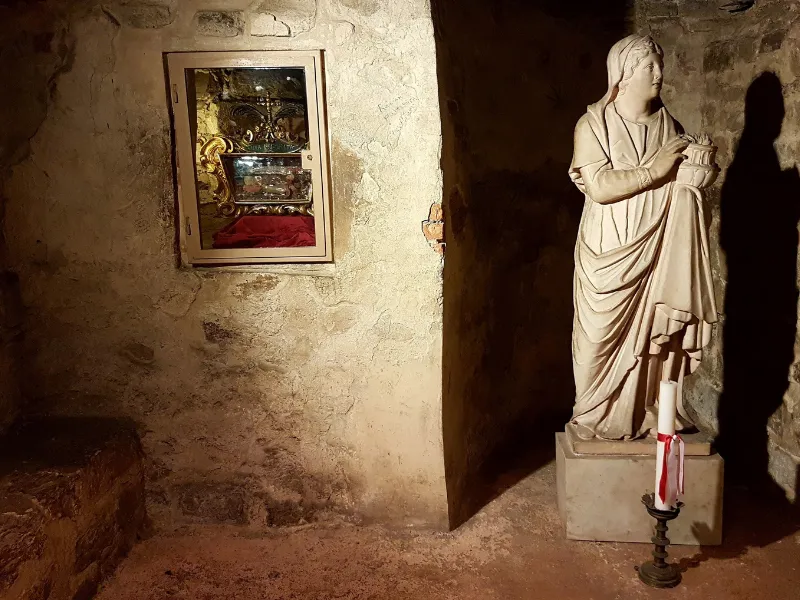
Santa Reparata and its precious remains
Santa reparata was destroyed only at the end of the XIV century when works for the edification of the new one were going on.
A grass hopper cage.
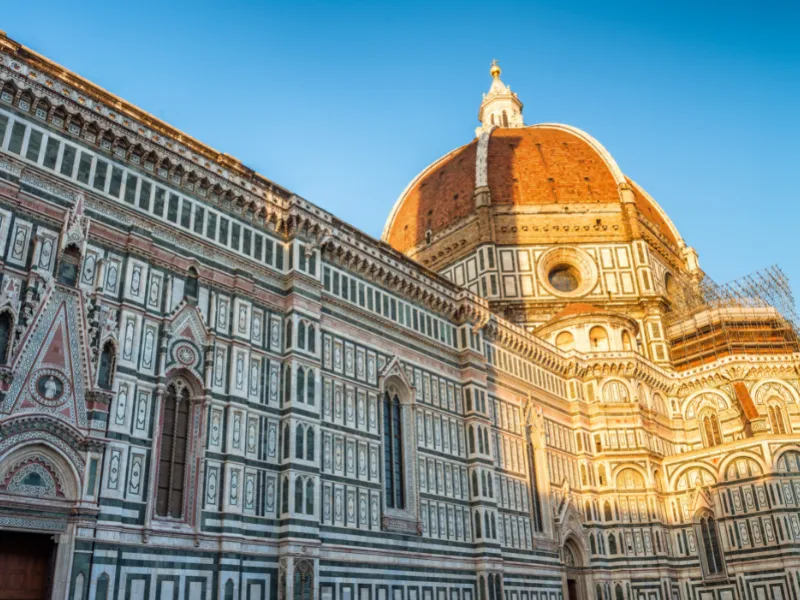
Michelangelo wanted a prominent frame without a gallery: an essemptial, simple architecture to accentuate the size of the dome!
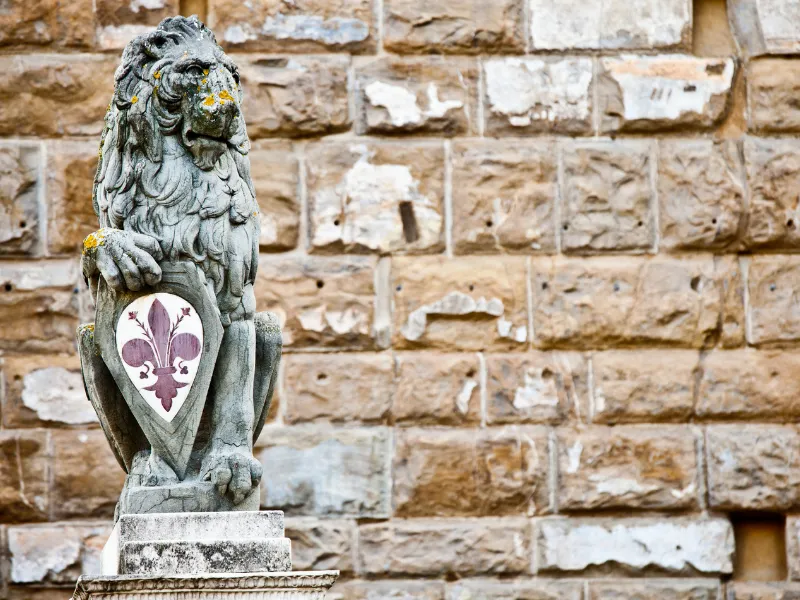
The Marzocco, the symbol
A cage full of lions was situated behind Piazza Signoria in the actual Via dei Leoni in the middle of XIV century to protect priors.
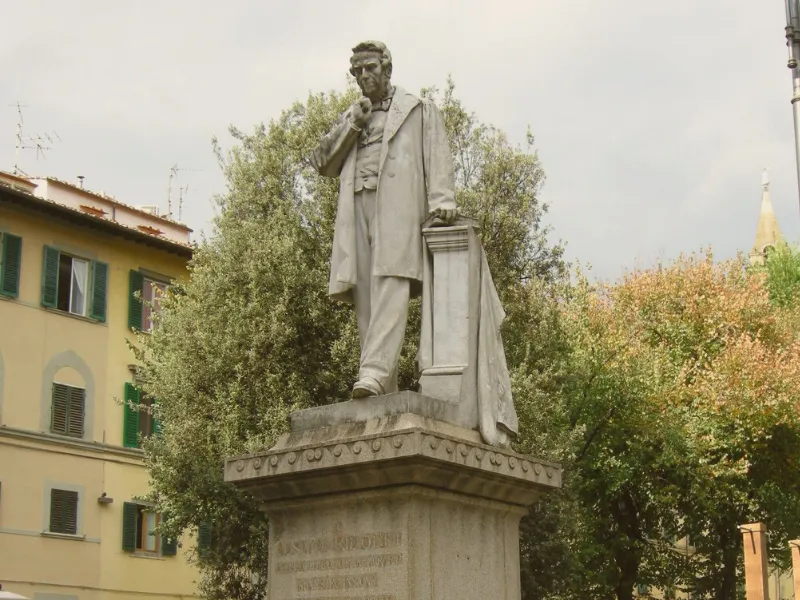
The marquis Cosimo Ridolfi
Cosimo Ridolfi was even elected Minister of Education and Senator after the unification of Ital