

The Votive Art of Shadow of the Evening
"The Votive Art of 'Shadow of the Evening'"
The Metaphysical Allure of Etruscan Art
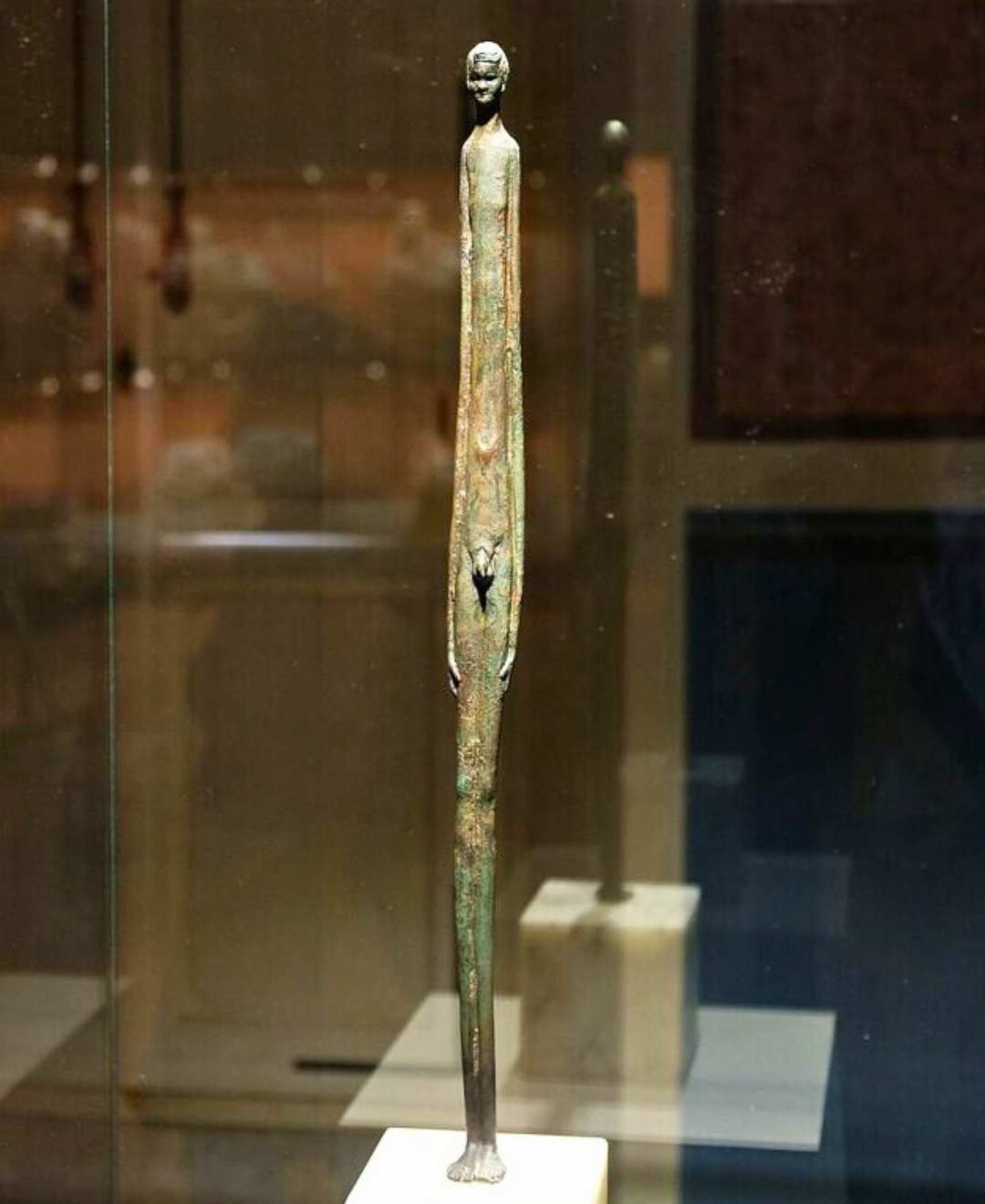
The statuette known as the "Shadow of the Evening" is housed in the Guarnacci Etruscan Museum in Volterra. The author of this remarkable work remains unknown. Dating back to the 3rd century BC, the sculpture was discovered by archaeologists in ancient Velathri, present-day Volterra. In 1737, Florentine scholar Anton Francesco Gori found this Etruscan statuette at the residence of the Buonarroti family in Florence. Later on, Mario Guarnacci, a noble prelate, acquired the artwork. Upon his death, Guarnacci donated the statuette and other pieces from his collection to the museum that now bears his name. The small sculpture depicts a nude, youthful male figure. Its arms and legs are exceptionally elongated and closely attached to the body. "Shadow of the Evening" is a votive statuette, created to honor the deities in the ancient Etruscan civilization. According to tradition, Italian poet Gabriele D'Annunzio coined the title "Shadow of the Evening" due to the slender form of the figure's body, reminiscent of shadows lengthening at sunset. However, some scholars argue that the title first appeared in 1954 in a Volterra guidebook written by Professor Paolo Ferrini.
Altri articoli
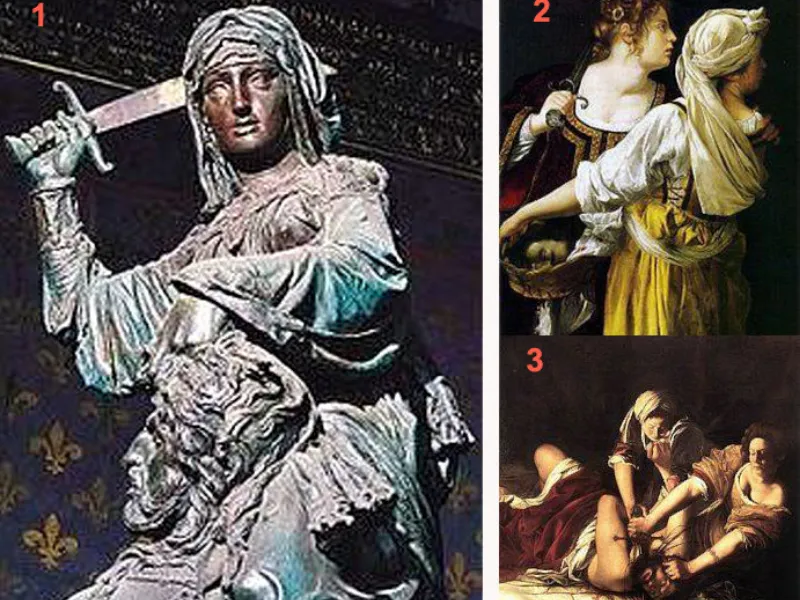
Judith and Holofernes
The victory of a woman over injustice and violence she suffered, have been expressed through painting.
Wild Boar to the Uffizi Gallery
The sculpture blends anatomical realism with Hellenistic symbolism, a testament to Roman fascination with the natural world.
The Orator. A journey into history
The Orator, a bronze statue from Perugia, embodies power and history. A Roman figure with an Etruscan inscription, bridging two cultures.
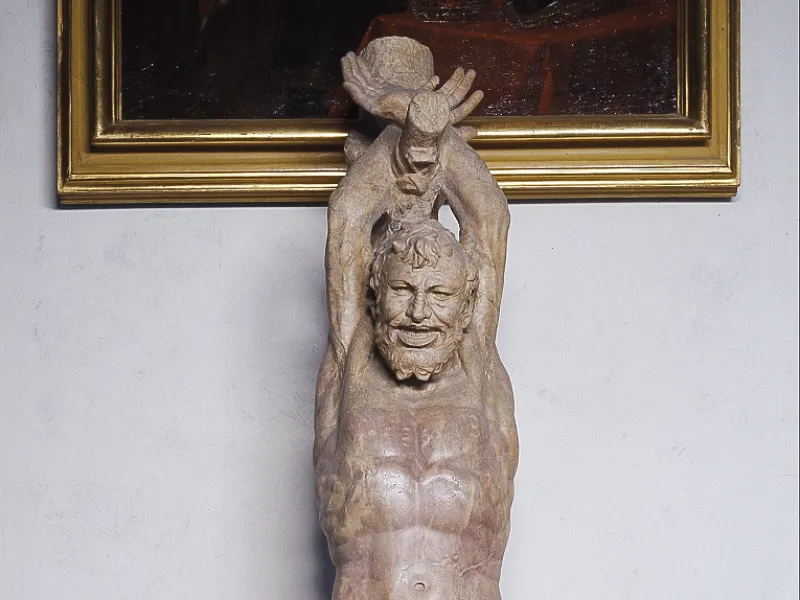
Disquieting statue in the Uffizi Gallery
Cosimo the Elder purchased the statue and showed it at the entrance of the new palace.